
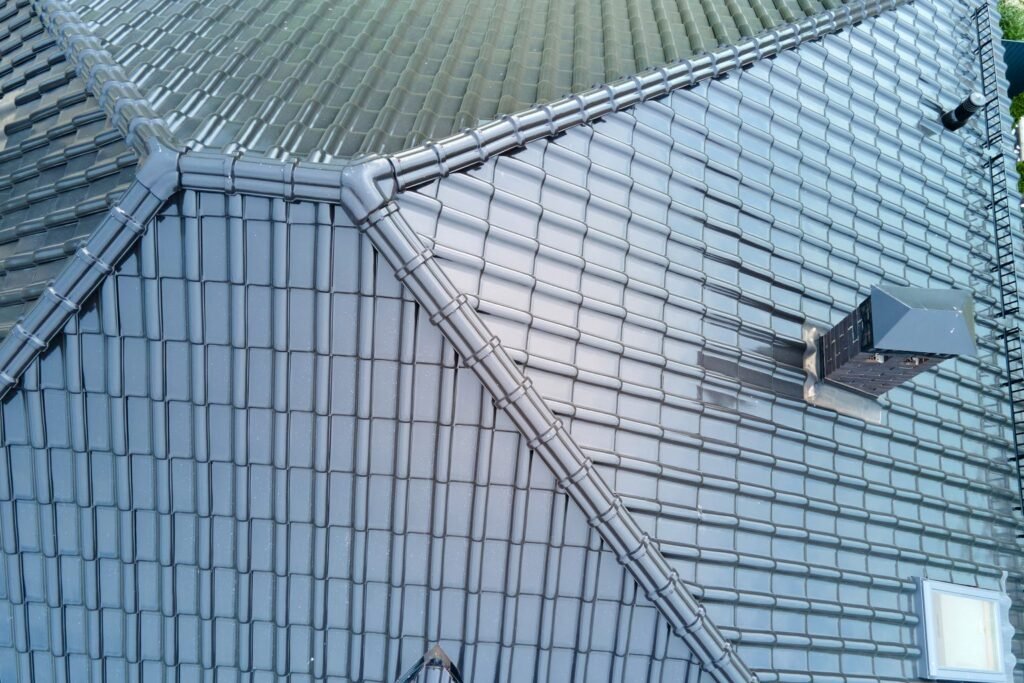
Your roof protects your home from rain, wind, heat, and long-term structural damage, yet it is often overlooked until a serious problem appears. Small issues like loose shingles or minor leaks can quickly turn into costly repairs if they go unnoticed.
This roof inspection checklist walks homeowners through the key areas to examine, helping identify early warning signs, prevent unexpected damage, and extend the life of the roof through regular, proactive maintenance.
Why Regular Roof Inspections Are Essential for Homeowners
Regular roof inspections help homeowners identify small issues before they turn into expensive repairs. The roof is constantly exposed to weather conditions that gradually weaken materials, even when damage is not immediately visible from the ground. Cracked shingles, loose flashing, or early moisture intrusion can quietly compromise the roof’s performance over time.
Routine inspections also extend the lifespan of the roof by ensuring that wear and tear is addressed at the right stage. When problems are detected early, repairs remain minor, structural components stay protected, and the overall integrity of the home is preserved.
When Should You Inspect Your Roof?
Homeowners should inspect their roofs at least twice a year to stay ahead of potential problems. Seasonal changes often create stress on roofing materials, making certain times of the year especially important for inspections.
Inspections are also recommended after major weather events such as storms, heavy rainfall, or strong winds. In addition, homeowners should schedule an inspection if they notice interior signs like water stains, unusual odors, or sudden increases in indoor humidity. Consistent timing helps ensure that roof issues are identified before they worsen.
Roof Inspection Checklist Every Homeowner Should Follow
A structured roof inspection checklist ensures that no critical area is overlooked. Each section of the roof system plays a role in protecting the home, and examining them together provides a complete picture of roof health.
Inspect Roof Shingles and Surface Materials
Begin by observing the overall condition of the roofing surface. Shingles or tiles should appear uniform and securely in place. Uneven areas, surface wear, or visible damage may indicate aging materials or exposure-related deterioration that requires attention.
Check for Missing, Cracked, or Curling Shingles
Missing or damaged shingles expose the roof underlayment to moisture and sunlight. Cracked or curling shingles often signal that the roofing material is nearing the end of its lifespan. Identifying these issues early helps prevent water from reaching the structural layers beneath the roof.
Examine Flashing Around Chimneys and Vents
Flashing creates a watertight seal around roof penetrations such as chimneys, vents, and skylights. Over time, flashing can loosen, crack, or corrode. Any gaps or damage in these areas increase the risk of leaks and should be addressed promptly.
Inspect Gutters, Downspouts, and Drainage Areas
Gutters and downspouts play a critical role in directing water away from the roof and foundation. Clogged or damaged drainage systems can cause water to back up onto the roof surface, leading to leaks and material breakdown. Proper drainage helps maintain roof performance during heavy rain.
Look for Signs of Water Damage or Leaks
Water stains, discoloration, or damp areas on ceilings and walls often point to roofing issues. Even minor leaks can cause long-term damage if ignored. Checking for these signs during an inspection helps connect exterior roof conditions with interior symptoms.
Check for Moss, Algae, or Debris Buildup
Organic growth and debris trap moisture on the roof surface. Moss and algae can gradually lift shingles, while accumulated debris can block water flow. These conditions accelerate material deterioration and should be removed to maintain proper roof function.
Inspect Roof Valleys and Edges
Roof valleys and edges experience higher water flow than other areas. Damage or wear in these sections can quickly lead to leaks. Inspecting these high-stress zones helps ensure water drains efficiently and does not seep beneath roofing materials.
Examine Attic and Interior Ceiling Areas
The attic often reveals early signs of roof problems. Moisture, mold, insulation damage, or daylight visible through the roof structure all indicate potential issues above. Inspecting interior spaces completes the checklist and confirms whether the roof system is performing as intended.

Common Roof Problems Found During Inspections
Roof inspections often uncover issues that develop gradually and remain unnoticed until damage becomes visible inside the home. One of the most common problems is deteriorating shingles caused by age, weather exposure, or improper installation. These weakened materials allow moisture to penetrate the roofing system.
Inspectors also frequently find damaged flashing around chimneys, vents, and skylights. When flashing fails, water can seep into vulnerable areas and cause leaks.
Clogged gutters, poor drainage, and debris buildup are additional issues that contribute to water pooling and premature roof wear. Identifying these problems early helps prevent structural damage and costly repairs.
How Weather and Age Affect Roof Condition
Weather exposure and roof age work together to gradually weaken roofing materials. Over time, constant sun exposure dries out shingles, making them brittle and prone to cracking. Rain, humidity, and temperature changes cause expansion and contraction, which loosens materials and weakens seals.
As roofs age, their ability to repel water decreases, even if visible damage appears minimal. Older roofing systems are more vulnerable to storm damage, leaks, and insulation problems. Regular inspections become increasingly important as a roof approaches the later stages of its lifespan.
DIY Roof Inspection vs Professional Roof Inspection
| Inspection Type | DIY Roof Inspection | Professional Roof Inspection |
|---|---|---|
| Safety | Limited by homeowner access and experience | Performed with proper safety equipment |
| Accuracy | May miss hidden or structural issues | Identifies visible and underlying problems |
| Tools | Basic visual checks | Uses specialized tools and expertise |
| Time | Quick but surface level | Thorough and detailed evaluation |
| Best Use | Routine visual monitoring | Preventive maintenance and problem diagnosis |
While DIY inspections can help homeowners spot obvious issues, professional inspections provide a deeper assessment of roof health and long term risks.
How Roof Inspections Prevent Costly Repairs
Regular roof inspections allow homeowners to address small issues before they escalate into major structural damage. A minor leak or loose shingle can often be repaired quickly and affordably when detected early. Without inspection, the same issue can spread moisture into insulation, framing, and interior surfaces.
Preventive inspections also help extend the roof’s lifespan by maintaining its protective function. By identifying weaknesses at the right time, homeowners avoid emergency repairs, reduce long term maintenance costs, and protect the overall value of their property.
Final Thoughts
A well-maintained roof plays a vital role in protecting your home from weather damage and costly structural issues. Following a regular roof inspection checklist helps homeowners identify early warning signs, address minor problems promptly, and extend the life of the roofing system. By staying proactive with inspections, you reduce repair costs, prevent unexpected leaks, and ensure your home remains safe, secure, and protected year-round.
FAQs
How often should homeowners inspect their roof?
Homeowners should inspect their roof at least twice a year and after major storms to catch early signs of damage.
Can a roof inspection really prevent major repairs?
Yes. Early detection of small issues like loose shingles or minor leaks helps prevent widespread water damage and costly repairs.
Is it safe to inspect my roof myself?
Basic visual checks from the ground or attic are safe, but climbing on the roof can be risky without proper equipment or experience.
When should I call a professional for a roof inspection?
You should contact a professional if you notice leaks, storm damage, aging materials, or if the roof has not been inspected in several years.